Friday 27 / November / 2026
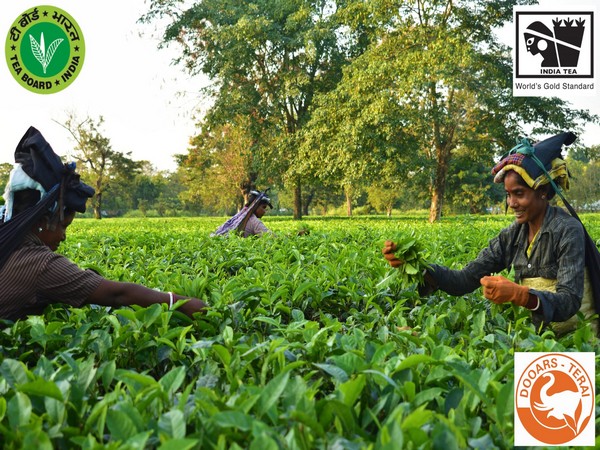
New Delhi: India exported 282.11 million kg of tea worth US$988.13 million during the financial year 2025-26, reinforcing its position as the world's largest producer of black tea and the third-largest tea exporter globally.
The tea industry remains an important contributor to India's agricultural economy, supporting livelihoods, generating export revenue and strengthening the country's presence in international markets.
The performance of the sector and measures to expand its global reach were discussed during an interaction between Union Commerce and Industry Minister Piyush Goyal and tea industry stakeholders in Kurseong, West Bengal. The meeting was organised by Tea Board India.
According to an official statement, discussions focused on revitalising the Darjeeling tea industry, modernising the tea auction system, strengthening research, improving product quality, promoting exports and enhancing the welfare of tea plantation workers and their families.
Particular attention was given to making the existing auction system faster, more efficient and responsive to the changing requirements of the industry. Stakeholders highlighted the need for technology-driven reforms, greater transparency, improved operational efficiency and measures to reduce transaction-related difficulties.
Ease of Doing Business emerged as a key priority, with discussions emphasising simplified procedures and a more supportive business environment across the tea value chain.
The meeting also explored ways to strengthen Indian tea exports through targeted promotional initiatives and better utilisation of opportunities available under the government's Export Promotion Mission (EPM).
Industry representatives shared suggestions on expanding India's footprint in international markets, improving market access, enhancing export competitiveness and strengthening the global identity of Indian tea. They also called for closer coordination among the government, Tea Board India and industry stakeholders to promote Indian tea in established and emerging markets.
The welfare of plantation workers and their families was another key area of deliberation.
The interaction provided a platform for industry representatives to raise concerns and propose practical measures to address challenges, improve competitiveness and support the long-term growth of India's tea sector.