Tuesday 10 / November / 2026
Muscat: The scientific symposium accompanying the celebration of the 40th anniversary of the opening of Sultan Qaboos University (SQU) began on Tuesday under the title “From Foundation to Leadership: Forty Years of Impact and Shaping the Future.”
The event is held under the patronage of Sheikh Ghosn Hilal Al Alawi, Chairman of the State Financial and Administrative Audit Authority.
Held under the Royal directives of His Majesty Sultan Haitham bin Tarik, the two-day symposium reviews the university’s journey since its establishment as the first university in the Sultanate of Oman.
It examines its contributions to preparing national talent, producing knowledge and research, and serving the community, along with discussing its impact on national development and envisioning its role over the next two decades.
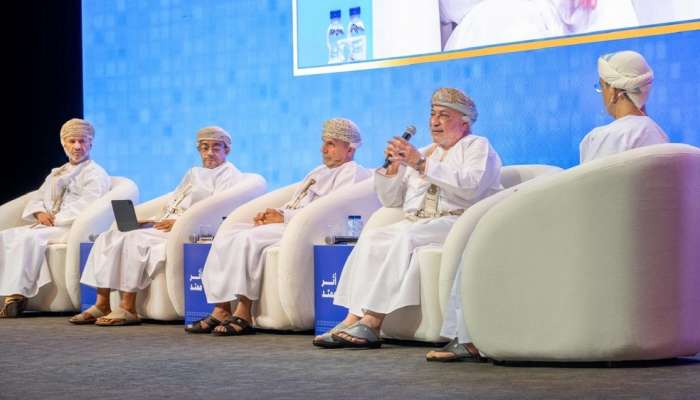
The first day’s programme includes two sessions. The first, “From Foundation to Leadership: Milestones in the Leadership of Sultan Qaboos University,” features former and current university vice chancellors and reviews the stages of its institutional, academic and research development, along with the key milestones and decisions that helped shape its journey.
The second session, “Memory of the Beginnings: First-Generation Faculty and Students,” is devoted to recalling the experiences of the first faculty members and the first batch of students. It documents the features of university life in the founding years and the challenges that accompanied the building of the academic institution, preserving part of its institutional memory and passing it on to future generations.
The symposium documents the outcome of four decades of the university’s journey, reads its impact on society and state institutions, and opens scientific discussion on the requirements of the next phase and its role in continuing to produce knowledge and contribute to national development.
The symposium aims to document the founding vision of Sultan Qaboos University as the first university in the Sultanate of Oman, recall the most prominent milestones and transformations in its journey over four decades, and highlight its contributions to the national development process.
It seeks to analyse the university’s economic, social and cultural impact and highlight its role in building human capital, producing knowledge, developing institutions and serving the community. It also aims to highlight the contributions of its graduates in building state institutions and leading development transformations across various sectors.
The symposium’s objectives include presenting the findings of the research study measuring Sultan Qaboos University’s impact on society, the economy and culture, and discussing ways to use its results to develop a sustainable institutional framework for measuring the university’s impact in the future. It also examines national and international experiences and practices in measuring the societal impact of universities and benefits from leading practices in developing methodologies for measuring university impact and maximising developmental contributions.
The symposium also focuses on enhancing dialogue between the university and state institutions, the private sector, society and graduates regarding the university’s future roles and partnerships in supporting sustainable development and serving national priorities and directions.
It also addresses anticipating transformations, opportunities and challenges that may affect the future of the university and higher education institutions, particularly in digital transformation, artificial intelligence, research, innovation and global competitiveness.
The symposium seeks to expand the university’s academic and research partnership network regionally and internationally by involving academic partners, researchers and representatives of international organisations. This enhances the exchange of expertise and opens new horizons for cooperation and future partnerships.
The symposium concludes with practical visions and recommendations that contribute to maximising the university’s impact and national role in the next phase and guiding its national and international partnerships and initiatives in line with the Sultanate of Oman’s priorities and future aspirations. -ONA