Sunday 25 / October / 2026
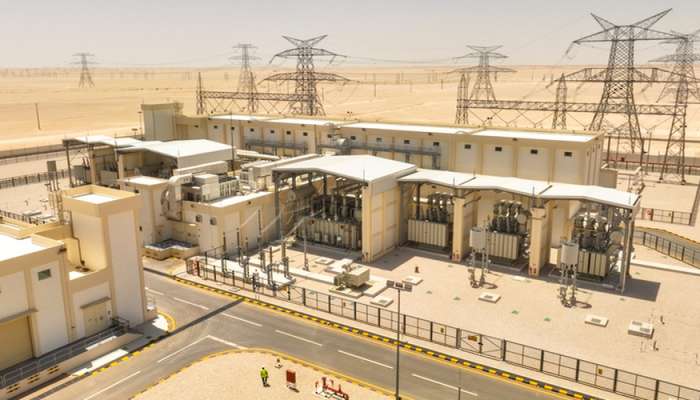
Muscat: Nama Electricity Distribution plans during the upcoming phase to transition from network digitisation to maximising the value derived from data, turning it into a key element in developing services provided to subscribers, raising operational efficiency, and improving network management.
Nama explained that the plans include enhancing integration between smart meters, Geographic Information Systems (GIS), Supervisory Control and Data Acquisition (SCADA), Advanced Distribution Management Systems (ADMS), and network sensing and control systems, thereby supporting real-time monitoring, rapid fault localisation, accelerating emergency response and service restoration, and raising the efficiency and reliability of operational processes.
Eng. Khalfan Nasser Al Bartamani, Chief Commercial Officer at Nama Electricity Distribution, affirmed in a statement to Oman News Agency (ONA) that the company is moving toward expanding the deployment of big data, advanced analytics, and artificial intelligence to build smart applications that assist in monitoring the health and performance of assets and networks, as well as supporting predictive and focused maintenance. This contributes to early problem detection, guiding maintenance work with greater accuracy and efficiency, and maintaining continuous energy flow and service reliability.
He said that the impact of this transformation will extend to improving subscriber experience through utilizing data and integrated systems to develop faster and more effective services, as well as improving outage management and response to reports.
He added that Nama has implemented an outage management system connecting the call center with emergency teams, benefiting from real-time monitoring, operational data, and Geographic Information Systems (GIS) to accelerate response and improve subscriber experience. He noted that in parallel, the company continues to develop substations and networks, enhance asset management, support the integration of renewable energy sources, and promote local value addition and national competency development, ultimately achieving a smart, data-driven electricity distribution system that is more efficient, flexible, and reliable, and capable of delivering a better experience for subscribers in line with the targets of "Oman Vision 2040."
The Chief Commercial Officer at Nama Electricity Distribution explained that the company is proceeding with an investment plan of more than OMR600 million during the period from 2026 to 2029 to develop, expand, and strengthen electricity networks, upgrade infrastructure, and raise network readiness and efficiency to keep pace with future growth in electricity demand.
He stated that Nama plays a pivotal role in developing the electricity distribution system in the Sultanate of Oman through operating, maintaining, and developing a distribution network extending over 105,000 kilometres across various governorates within its scope of operation, with the exception of Dhofar Governorate.
He noted that over past years, Nama implemented a broad package of projects, including expanding and strengthening electricity networks across various voltage levels, constructing and developing substations, and connecting new subscribers, alongside digital transformation, automation, and network management system development projects.
He explained that in 2025, total capital expenditure up to the end of October reached approximately OMR120 million, including around OMR61 million for 11 kV network projects and around OMR19 million for 33 kV projects.
He added that among the most prominent projects implemented during this period were network development and automation projects, remote monitoring and control systems, and the outage management system, alongside projects for expanding and strengthening 33 kV and 11 kV networks across various governorates.
He pointed out that the Smart Meter Infrastructure project is also considered one of the strategic projects and a key pillar of the transition toward a digital and smart electrical grid; as the smart meter deployment rate reached around 80 percent by the end of 2025. This expansion contributed to enhancing data accuracy, supporting advanced analytics, and improving load and operational management.
Eng. Khalfan Nasser Al Bartamani, Chief Commercial Officer at Nama Electricity Distribution, said that the company does not view smart meters merely as a tool for reading consumption, but rather as an essential digital infrastructure to utilise data and develop services.
He added that Nama is working to integrate the smart meter system with Geographic Information Systems (GIS), Supervisory Control and Data Acquisition (SCADA), Advanced Distribution Management Systems (ADMS), and operating and control systems, aiming to build a more integrated digital system for network management while raising its efficiency and reliability.
He confirmed that during 2025, Nama completed the implementation of the Automatic Load Transfer System project between transformers with a 100 percent completion rate. This system contributes to automatically restoring electricity supply when a transformer fails, thereby enhancing network reliability and reducing outage durations.
In the field of smart grids, he explained that Nama is working to integrate fault location systems and remote control units with the Supervisory Control and Data Acquisition (SCADA) system, contributing to improving network performance, reducing outage periods, and enhancing subscriber satisfaction.
He stated that Nama serves around 1.4 million subscribers, with electricity service reaching 100 percent of populated areas within its scope of operation, aligning with "Oman Vision 2040" by focusing on infrastructure development, enhancing network reliability and efficiency, accelerating digital transformation and automation, supporting renewable energy integration, as well as promoting local value addition and national competency development.
Furthermore, network reliability witnessed tangible improvement; as the average outage duration in 2025 reached approximately 177 minutes, while the average outage frequency rate stood at around two times per subscriber.