Thursday 24 / September / 2026
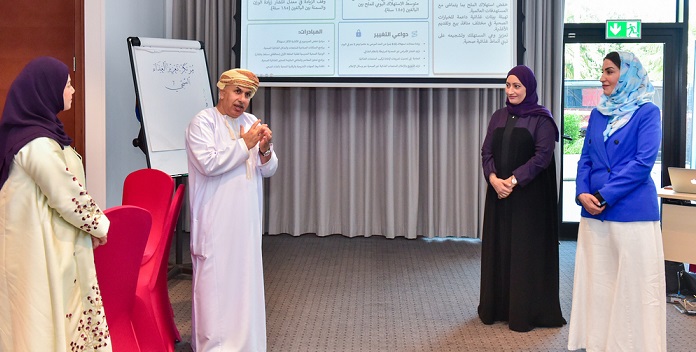
Muscat: The activities of the developmental workshop for preparing the National Plan for the Prevention of Non-Communicable Diseases (NCDs), organised by the Ministry of Health in cooperation with the Oman Vision 2040 Implementation Follow-up Unit, concluded on Thursday.
The organisation of the workshop comes within the national efforts aimed at preparing an integrated strategy for the prevention of non-communicable diseases, through reviewing and developing priority pillars and initiatives, and aligning them with enabling factors supporting implementation, thereby enhancing integration between the Ministry of Health and relevant sectors and entities.
The workshop's activities focused on 6 main pillars representing essential axes in building the national strategy: tobacco control, promoting healthy nutrition, promoting physical activity, promoting mental health, enhancing early detection programmes for non-communicable diseases, and activating the national framework for monitoring, follow-up, and evaluation, alongside a number of supporting enabling factors including targeted legislation and policies, funding, communication and media, and community partnerships.
The tobacco control pillar addressed developing initiatives related to regulating the trade of tobacco products, their derivatives, and accessories, enhancing control over them, and supporting preventive behaviors to curb their use. Meanwhile, the healthy nutrition pillar focused on reducing salt consumption and curbing rates of overweight and obesity, while the physical activity pillar addressed preparing supportive and motivating environments for its practice, alongside developing a sustainable awareness system.
In the field of mental health, the workshop discussed initiatives related to providing supportive environments, enhancing the availability of specialised personnel, and supporting day rehabilitation programs. It also addressed developing early detection programs for non-communicable diseases, including breast cancer and colorectal cancer, alongside enhancing the monitoring, follow-up, and evaluation system through developing registries, surveys, mortality indicators, and monitoring national response.
The Ministry of Health affirmed that the conclusion of the workshop's work represents an important milestone within a continuous path to prepare the national strategy, and does not mean the end of efforts made, but rather constitutes a transition to a new phase that requires further work and coordination to complete the development of initiatives and projects stemming from the pillars, and converting them into clear operational plans that are applicable, trackable, and measurable for impact.
During the upcoming phase, efforts of the Supreme Committee for Combating Non-Communicable Diseases, relevant teams, and related national entities will continue to complete the alignment of pillars and initiatives with supporting enabling factors, defining roles and responsibilities, implementation pathways, and performance indicators, to ensure the integration and sustainability of efforts and the achievement of targeted results.
The next phase will also witness intensifying work on priority initiatives, reviewing operational plans and updating them according to monitoring and evaluation results, thereby enhancing the systematic transition from the planning phase to implementation, and supporting the capacity of the national system to respond to challenges associated with non-communicable diseases and risk factors affecting community health.
These efforts come within the framework of striving to achieve the targets of "Oman Vision 2040", enhancing the national approach based on prevention, health promotion, early detection, and continuous monitoring, alongside unifying the efforts of various sectors in dealing with non-communicable diseases, thereby contributing to improving community health and quality of life.