Tuesday 25 / August / 2026
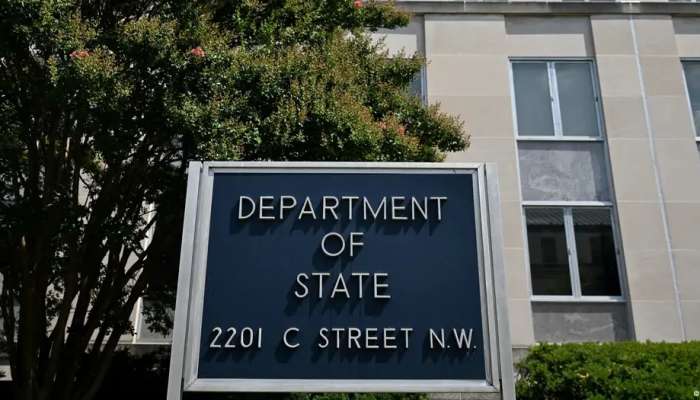
Washington DC: United States President Donald Trump's administration is preparing to revoke the business and tourism visas of foreigners who applied for or are currently seeking asylum in the country, the State Department said in a statement on Monday.
It didn't say how many visas would be affected, but the Associated Press put the number at up to 200,000, citing State Department documents and two US officials. If carried out, it would be the largest single mass revocation of visas in US history.
What did the State Department say about revoking visas?
The State Department is expected to announce the revocations in the coming weeks, targeting so-called B1 and B2 visas issued between 2016 and 2026 to holders who have sought or are now seeking asylum. These visas are generally issued for business travel, tourism, family visits or medical care.
"We are coordinating with DHS to identify and revoke the non-immigrant visas of foreigners who have come to the United States claiming to be short-term visitors, but then file for asylum to stay here permanently," State Department spokesman Tommy Pigott said, referring to the Department of Homeland Security.
He declined to give a specific number, saying the count "remains dynamic and will be done on a rolling basis."
Officials said the revocations would not necessarily lead to immediate deportation. Most people with pending asylum cases would instead be re-categorised, losing their status as business or tourism travelers, according to officials who spoke to AP on condition of anonymity.
Trump official slams visa use
Deputy Secretary of State Christopher Landau criticized the use of tourist and business visas as a path to asylum claims.
"People in the US and all over the world are fed up with bogus asylum claims," he wrote on social media platform X, adding, "Asylum isn't supposed to be a loophole to circumvent immigration law."
He separately alleged that the US immigration system "has long been swamped by frivolous asylum claims" and cited the case of a Colombian national who entered the US on a tourist visa in 2015 before applying for asylum.
Applicants for B1 and B2 visas are currently required to affirm they will not seek asylum and to demonstrate intent to return to their home countries. It remains unclear how many current visa holders have actually filed for asylum.
Who has been impacted by Trump's immigration crackdown?
The move is the latest in a series of visa restrictions under Trump's second term, which has included expanded social media vetting, new bond requirements, and outright bans on visa issuance for citizens of certain countries.
The State Department said it has revoked roughly 175,000 visas over the past 18 months, citing reasons ranging from criminal convictions to public criticism of US policy, particularly regarding the Middle East. The administration has also targeted "birth tourism," and has repeatedly sought to end birthright citizenship. Courts, including the Supreme Court, have rejected those efforts.
Rights groups have criticised the broader immigration crackdown, arguing it has infringed on free speech and due process rights while creating an unsafe environment, particularly for ethnic minorities who could face racial profiling. The administration maintains the crackdown is intended to strengthen domestic security.
Despite campaigning largely on illegal immigration, the administration has also tightened legal immigration pathways, including through new, costly fees for certain work visa applicants. Several aspects of the crackdown are facing ongoing legal challenges.