Thursday 25 / June / 2026
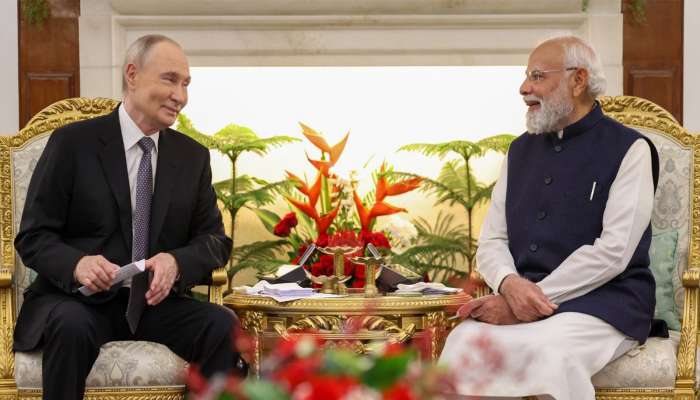
New Delhi: Russia is preparing to expand gasoline imports from India as repeated Ukrainian drone attacks on key oil refineries disrupt domestic fuel production and create growing supply shortages across the country.
According to reports by RBC, proposed amendments to Russia’s Tax Code would allow the government to subsidize oil companies importing gasoline from abroad. The mechanism would extend a fuel-price stabilization system introduced eight years ago to help keep retail gasoline prices under control.
Under the draft legislation, subsidies would be calculated using a benchmark gasoline price in India and transportation costs from Indian ports to Russia. The proposal has already received support from the State Duma’s budget and tax committee and could be approved in the coming days.
Since the start of the Russia-Ukraine conflict, India has become Russia’s largest buyer of crude oil. Russian crude exports to India averaged between 1.5 million and 2 million barrels per day in 2025 and reportedly reached a record 2.66 million barrels per day in June 2026.
A significant portion of this crude is refined in India and exported as petroleum products, including gasoline. Industry estimates indicate that Indian gasoline exports reached a record 400,000 barrels per day in 2025, with Asian markets accounting for a large share of demand.
Russian refining capacity has come under increasing pressure following a sustained campaign of Ukrainian drone strikes. Reports indicate that 16 refineries were hit in May 2026 and at least six more in June.
The damage has reduced Russia’s crude processing volumes to their lowest level in approximately two decades, cutting gasoline output by an estimated 25 percent. Current production stands at around 85,000 tonnes per day, while peak summer demand requires roughly 111,000 tonnes daily, leaving a shortfall of about 25,000 tonnes each day.
The deficit is estimated to represent around one-fifth of domestic gasoline consumption and has contributed to wholesale prices exceeding 100 rubles per litre.
One complication is that Indian gasoline typically contains about 20 percent ethanol, while Russian fuel standards currently permit up to 10 percent ethanol content. Russia increased its allowable blend limit only last year following earlier disruptions to refining operations.
Russia has already increased fuel imports from Belarus, but current deliveries of approximately 100,000 to 150,000 tonnes per month cover only a fraction of the daily supply gap.
Fuel shortages are beginning to affect other sectors, including aviation. Some operators of light aircraft have reportedly started using automotive gasoline as a substitute for aviation fuel. Despite a government ban on fuel exports, aviation fuel prices have continued to rise, while some fuel retailers in major cities, including Moscow and Saint Petersburg, have introduced limits on fuel purchases.
Industry representatives warn that unless refinery output recovers or imports increase substantially, fuel shortages could become significantly more severe in the coming weeks.