Saturday 17 / October / 2026
New Delhi: Global crude oil prices climbed nearly 2% on Monday amid renewed tensions between the US and Iran, after US President Donald Trump cancelled planned peace talks in Pakistan.
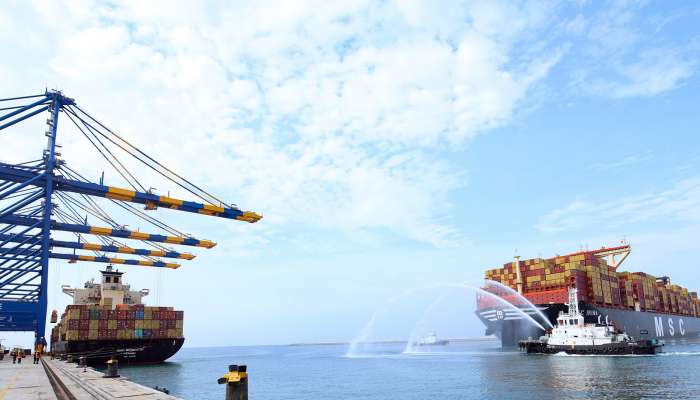
The benchmark ICE Brent crude futures contract rose nearly 2% to $107.28 per barrel as of 0738 IST, while WTI Intermediate crude gained 1.5 per cent to $95.78 per barrel. The jump comes as ceasefire negotiations between the US and Iran reached a standstill, raising concerns over supply disruptions through the Strait of Hormuz.
Trump on Saturday called off a trip by his envoys, including Steve Witkoff and Jared Kushner, who were scheduled to meet Iranian leaders in Islamabad. Posting on Truth Social, he said, "I just cancelled the trip of my representatives going to Islamabad, Pakistan, to meet with the Iranians. Too much time wasted on travelling, too much work! Besides which, there is tremendous infighting and confusion within their 'leadership.' Nobody knows who is in charge, including them." He added that the US "has all the cards" and urged Tehran to initiate contact directly if it wants talks.
The cancellation followed a visit by Iranian Foreign Minister Seyyed Abbas Araghchi to Islamabad on Saturday evening for discussions with Pakistani leaders.
However, in a conversation with Fox News on Sunday, Trump suggested the situation could be nearing an end, citing extensive damage to Iran's military and industrial capabilities. "I think the big advantage is that we've taken out their navy in its entirety... They have no air force left. They have no navy left... They're in bad shape," he said. Trump claimed Iran's missile-making factories were damaged by about 75% and that the US-led blockade had effectively cut off Tehran's access to funds. He also pointed to internal divisions within Iran's leadership as a factor that could accelerate a resolution.
Despite the combative tone, Trump expressed hope that Tehran would act pragmatically. "I hope they're going to be smart, and if they're not smart, we're going to win anyway," he said, while reiterating that Iran would not be allowed to develop nuclear weapons. He signalled a shift towards remote engagement, stating that future discussions, if any, would take place by phone rather than through in-person delegations.
Araghchi has travelled between Oman, Pakistan and Russia to sustain dialogue and explore de-escalation pathways. President Masoud Pezeshkian maintained that Tehran will not negotiate under pressure, criticising US actions as inconsistent with diplomatic commitments while reaffirming Iran's stance on defending its national interests and seeking regional stability.


