Thursday 21 / May / 2026
Muscat: Oman’s utilities sector has recorded steady growth alongside major digital and renewable energy advancements, reflecting the country’s ongoing economic and urban expansion.
According to the Authority for Public Services Regulation, water consumption rose by 13 percent between 2021 and 2025, while the number of subscribers increased by 12 percent. In the electricity sector, subscribers grew by 14 percent and consumption surged by 27 percent over the same period.
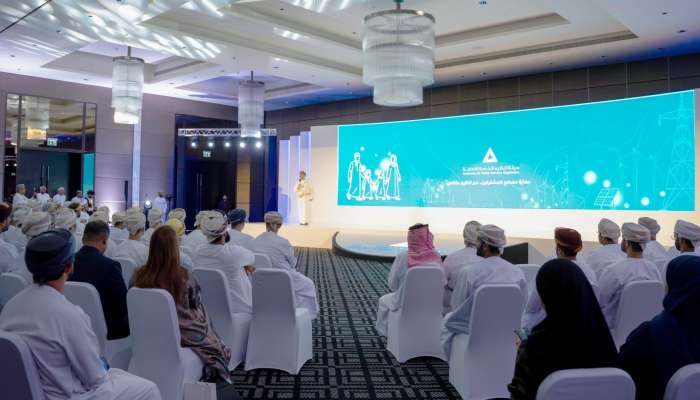
During a media briefing in Muscat, the Authority highlighted key achievements, including enhanced governance through a clear separation of roles between policymakers, regulators, and operators. Service standards have also improved, with compensation doubled for repeated service failures.
Renewable energy production reached 9.46 percent of total output by the end of 2025, up from just 1.95 percent in 2021—enough to power around 155,000 homes.
The sector has also undergone a major digital transformation. Service digitization reached 100 percent, while smart meter adoption hit 99 percent in water and 80 percent in electricity. Actual meter readings stood at over 97 percent for both sectors.
Over the past five years, the Authority introduced 17 regulations, issued 14 licenses, and developed multiple frameworks covering subscriber rights, safety, and network reliability. Consumer protection has strengthened through digital platforms, with over 7,000 complaints resolved in 2025 and OMR 153,000 paid in compensation to more than 9,000 subscribers.
Customer satisfaction rose to 75 percent, with service delivery times averaging 1.17 days for electricity and six days for water. Omanization rates reached 98.55 percent in sector companies, with around 2,050 new jobs created in 2025.
Spending on SMEs increased by 80 percent to OMR 119 million, while local added value rose by 35 percent to OMR 50 million.
In infrastructure, electricity transmission line lengths expanded by 40 percent, while distribution networks grew by 13 percent. Billing systems are now fully digital, with electronic payments accounting for 78 percent of transactions.
The gas sector also saw growth, with a 22 percent rise in transported volumes and continued expansion of network capacity and safety systems.
Meanwhile, the water and wastewater sector recorded a 32 percent increase in network length and achieved 98 percent wastewater treatment coverage. Water quality compliance reached 99.81 percent, supported by a 74 percent increase in testing.
Currently, 97 projects worth OMR 966 million are underway in the water sector, while total investments across regulated sectors reached OMR 3.4 billion between 2021 and 2025.
Looking ahead, investments are projected to rise sharply to OMR 8.8 billion during 2026–2030, driven largely by electricity, water, and gas infrastructure expansion.